March 20, 2026
In today's competitive landscape, infrastructure integrity and safety compliance are not optional—they are mission-critical imperatives that directly impact operational continuity, homeowner peace of mind, and long-term asset value. Electrical fires are among the most devastating and costly threats that residential and commercial properties face, yet they are often preventable with strategic interventions from qualified professionals. At FTJA Electric Company, our commitment to elevating safety standards and driving superior outcomes means that we continuously engage with industry best practices, cutting-edge diagnostics, and rigorous preventative measures to mitigate fire risk. A licensed electrician is not just a regulatory requirement; they are a critical partner in safeguarding your property and your investment against the potentially catastrophic consequences of electrical malfunctions.
Understanding the Root Causes of Electrical Fires
Electrical fires do not occur in a vacuum. They are the culmination of latent vulnerabilities within electrical infrastructure that escalate over time due to wear, overload, or poor installation practices. Outdated wiring, overloaded circuits, compromised insulation, and improperly installed electrical panels can all create conditions ripe for failure. Inadequate maintenance of electrical systems can allow small anomalies to evolve into significant hazards. The average homeowner may not recognize the early warning signs—flickering lights, discolored outlets, persistent tripped breakers—but a licensed electrician has the technical acumen to identify these precursors before they escalate into a full-blown crisis. The human eye might overlook subtle indicators, but through comprehensive auditing and diagnostic testing, a trained professional can detect deviations from normative performance that signal danger.
In commercial environments, the complexities multiply. Heavy equipment loads, multiple user interfaces, and variable operating conditions demand a holistic view of the electrical ecosystem. Without proactive oversight, what begins as a minor fault can ripple through the system, destabilizing connected circuits and increasing the likelihood of heat build-up and ignition sources. Licensed electricians understand these dynamics, applying systematic analysis and context-aware solutions that address not just individual components but the integrity of the entire electrical architecture.
Implementing Proactive Maintenance to Mitigate Fire Risk
Strategic maintenance is the cornerstone of electrical risk management. It is not enough to react to problems as they arise; high-performing organizations and vigilant homeowners alike invest in preventative measures that anticipate and neutralize hazards. The mantra of proactive maintenance repositions electrical safety from a reactive expense to a forward-looking investment in operational resilience. Central to this approach is periodic evaluation by a licensed electrician, who brings a wealth of knowledge about system behavior, regulatory codes, and evolving safety standards. These professionals utilize advanced tools and methodologies to assess system health, isolating areas of potential risk before they manifest as costly emergencies.
According to Medium, an electrical check should be performed on your home every 10 years. This research fact underscores the necessity of regular professional assessments as part of a disciplined maintenance cadence. A licensed electrician can conduct these checks with a comprehensive framework that encompasses load distribution, grounding integrity, panel condition, and compliance with current electrical codes. In doing so, they ensure that your electrical system not only meets minimum safety requirements but also aligns with best practices that minimize the probability of fire incidents.
High-impact maintenance goes beyond cursory inspections. It involves trend analysis, performance benchmarking, and historical data review to identify patterns that might signal emerging issues. Licensed electricians can interpret these signals within the context of system usage, age, and environmental factors, enabling targeted interventions that reduce downtime and enhance safety. The outcome is a resilient electrical infrastructure that supports sustained performance without compromising fire safety.
Assessing Load Capacity to Prevent Overheating Hazards
Electrical fires often originate from overloaded circuits that generate excessive heat, degrading insulation and creating ignition points. Understanding load capacity is fundamental to preventing such scenarios. Homes and businesses continuously change in how power is used. The proliferation of high-energy appliances, fluctuating demand curves, and ad-hoc electrical additions can cumulatively overwhelm legacy systems. Without a professional evaluation, these incremental changes go unnoticed until a failure occurs.
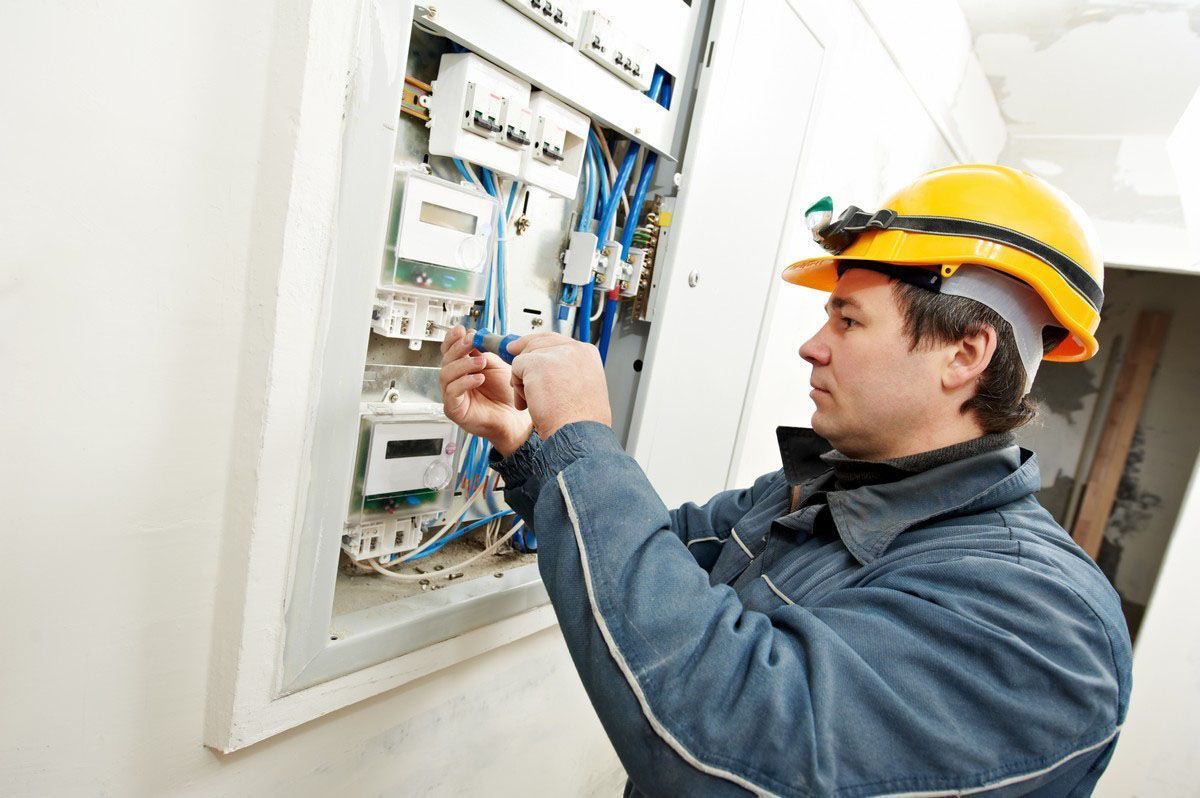
Licensed electricians perform rigorous load assessments to determine whether the electrical system is appropriately configured to handle current and anticipated demand. This involves not only measuring amperage but also understanding the nuanced interplay between different circuits and devices. They can recommend redistributing loads, upgrading panels, or implementing dedicated circuits for high-demand equipment. By aligning system capacity with real-world usage patterns, these interventions prevent the thermal stress that leads to insulation breakdown and electrical fires.
In commercial settings, load assessments are part of operational risk planning. Electrical infrastructure must support peak performance without exceeding design tolerances. Licensed electricians integrate load studies into broader facility management strategies, collaborating with stakeholders to align electrical capacity with business objectives while mitigating fire risk. This proactive collaboration ensures that safety and performance go hand in hand.
Ensuring Compliance With Electrical Codes and Standards
Compliance is more than a regulatory checkbox—it is an organizational safeguard. National and local electrical codes exist to establish minimum safety thresholds that reduce fire hazards and promote uniformity in electrical installations. These codes evolve in response to technological advancements and emerging safety data, and staying abreast of changes can be a daunting task for the uninitiated. Licensed electricians, however, are trained and certified to interpret and implement these standards effectively.
A licensed electrician ensures that every component of your electrical system—from wiring and outlets to panels and protective devices—meets or exceeds current code requirements. This alignment not only minimizes fire risks but also protects you from potential liabilities associated with non-compliance. In the event of property transactions, insurance assessments, or regulatory inspections, having documentation of code-compliant electrical work can significantly streamline processes and reinforce confidence in your infrastructure.
Regulatory compliance also supports quality assurance. Codes prescribe rigorous installation procedures and materials standards that, when followed, materially reduce the likelihood of failures that could lead to fires. Licensed electricians function as guardians of these standards, integrating them into every aspect of design, installation, and maintenance. Their expertise thus becomes a strategic asset, ensuring that your electrical systems are built and maintained to the highest safety benchmarks.
Detecting Hidden Defects Before They Escalate
Some of the most dangerous electrical issues are those that remain hidden—out of sight, out of mind, and out of everyday awareness. Faulty wiring behind walls, deteriorating insulation, corroded connections, and compromised junction boxes are all examples of latent defects that can lead to catastrophic outcomes if left unaddressed. Detecting these issues requires specialized tools and experienced judgment that goes beyond surface observation.
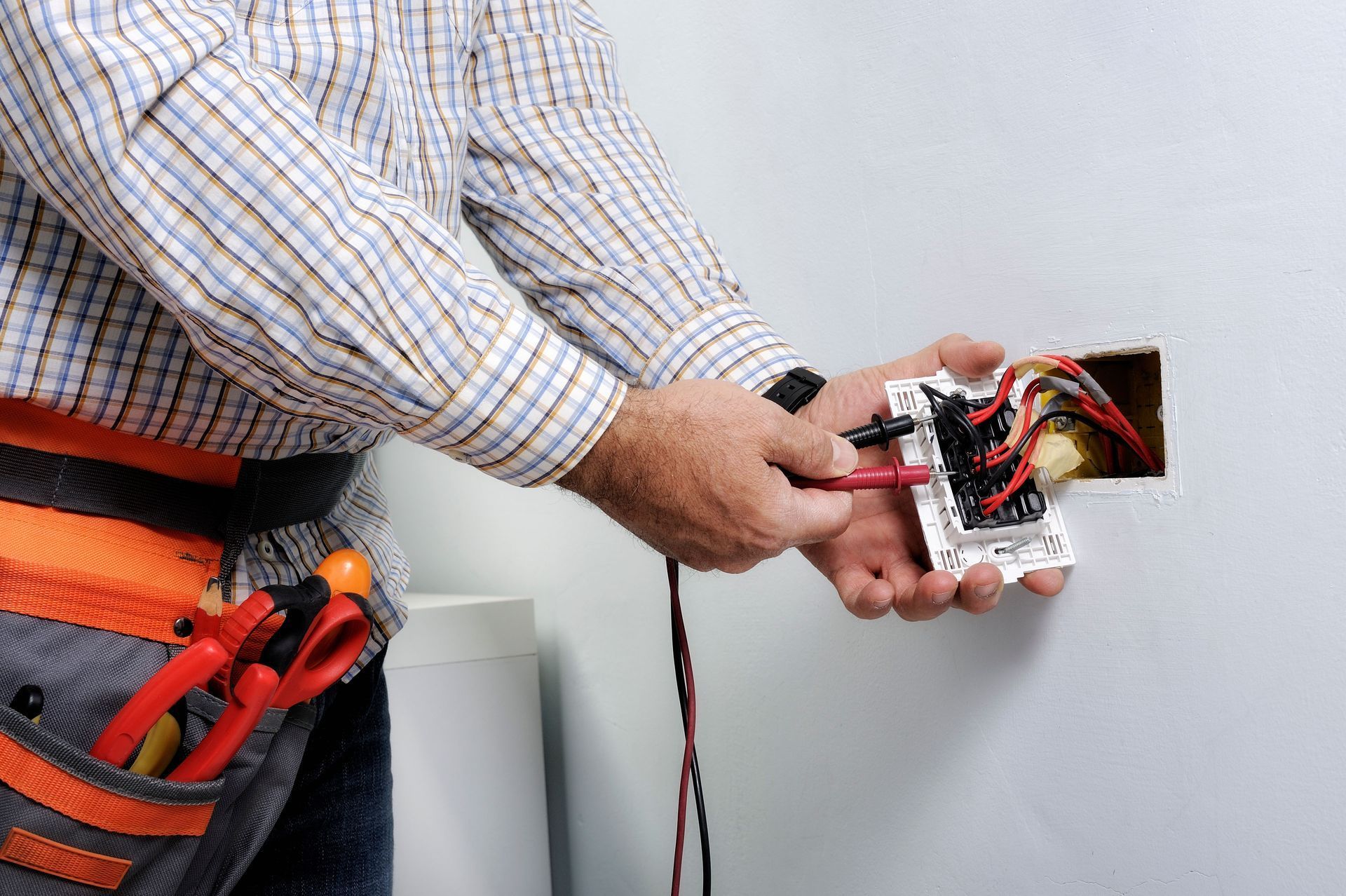
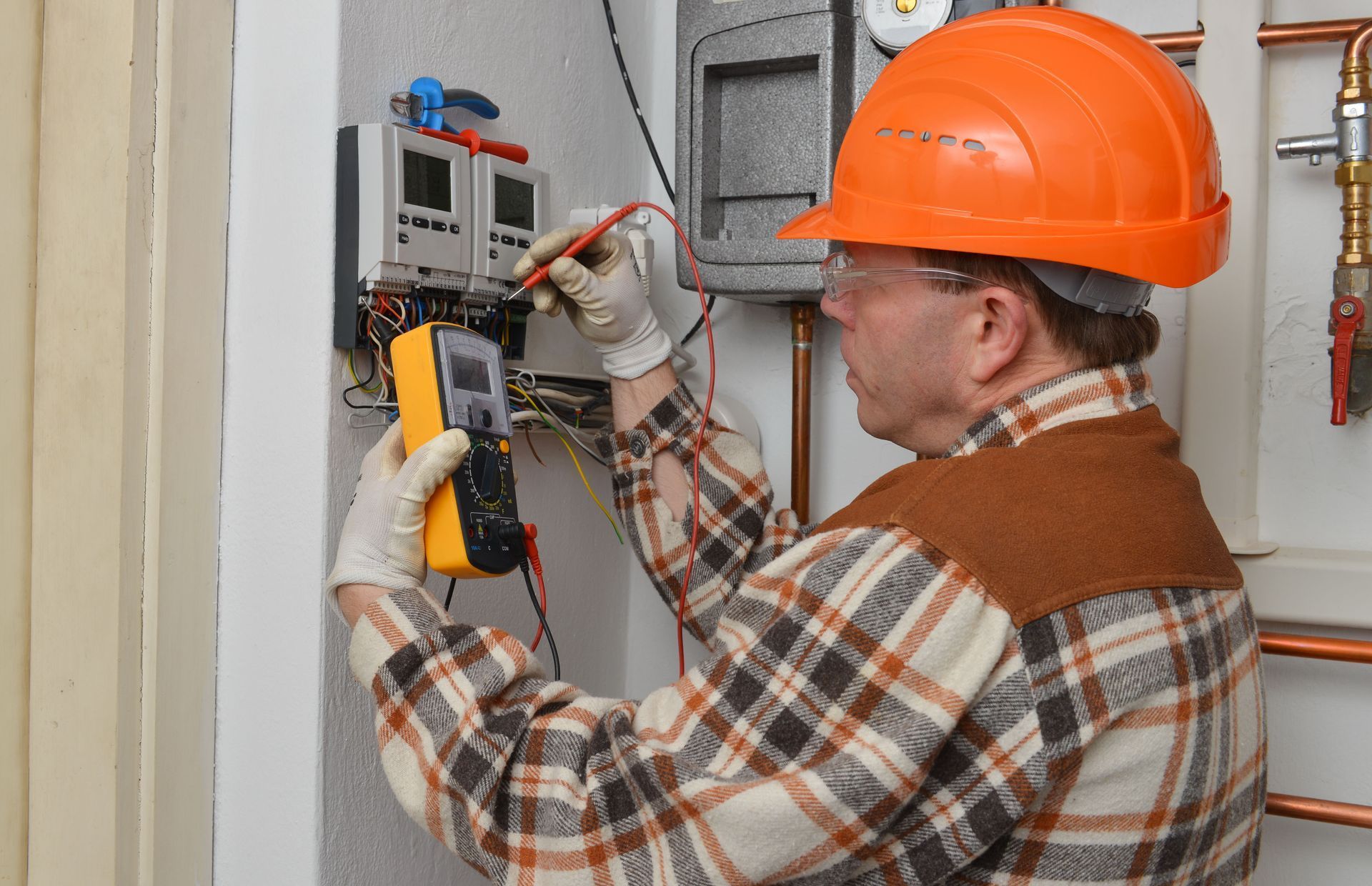
Licensed electricians deploy advanced diagnostic technologies—such as thermal imaging, circuit analyzers, and insulation resistance testers—to reveal abnormalities that are invisible to the naked eye. These tools, combined with professional intuition and training, allow them to identify areas of concern that might otherwise go unnoticed. Early detection enables targeted remediation that prevents minor defects from evolving into major fire hazards.
Moreover, hidden defects can be symptomatic of systemic issues, such as substandard past work or materials fatigue due to age. A licensed electrician can trace the root cause of such defects, rather than merely addressing the symptom. This root-cause resolution enhances the reliability of your electrical infrastructure and substantially reduces the likelihood of future fire incidents.
In an environment where the costs—both financial and human—of electrical fires are unacceptably high, the role of licensed electricians cannot be overstated. These professionals bring a blend of technical expertise, regulatory knowledge, preventative focus, and strategic insight that transforms electrical safety from a reactive concern into a proactive asset. From assessing load capacities and detecting hidden defects to ensuring code compliance and optimizing system upgrades, licensed electricians provide holistic solutions that protect properties and people. If you're looking for electricians for electrical services, contact FTJA Electric Company today.