October 10, 2026
Ensuring that your home’s electrical infrastructure operates safely is critical for preventing household hazards, structural fires, and unexpected power outages. Hiring a licensed electrician allows property owners to thoroughly evaluate hidden wiring networks, modern breaker panels, and everyday wall outlets across living spaces. Comprehensive inspections identify hidden thermal risks, outdated equipment, and improper grounding before dangerous electrical failures occur. According to Medium, an electrical check should be performed on your home every 10 years. Investing in routine professional evaluations protects your family, safeguards expensive digital appliances, and maintains strict compliance with evolving building codes, providing complete long-term peace of mind throughout your household.
Inspecting Main Breaker Panels and Circuit Overloads
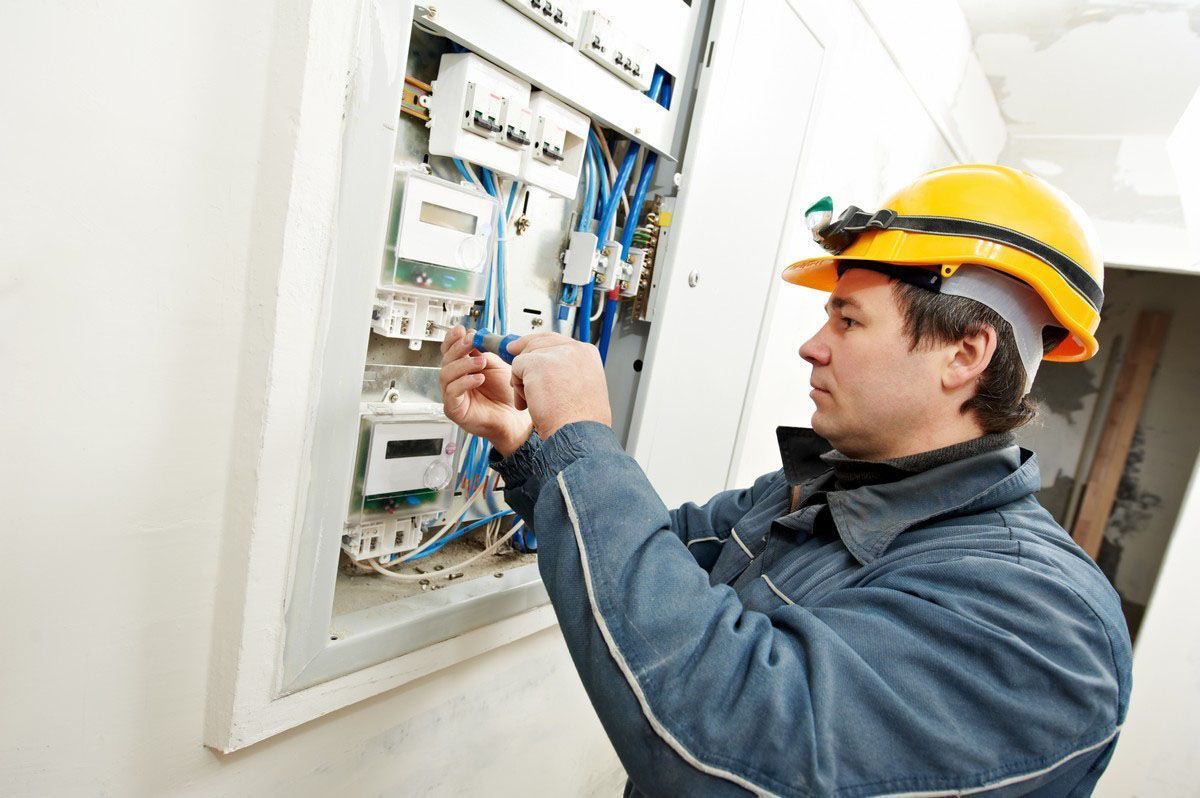
Evaluating the central distribution box serves as the foundational starting point for any thorough residential power evaluation. A certified electrician opens the main panel to inspect breaker connections, measure incoming voltage, and check for signs of thermal scorching or corrosion. Mechanics confirm that circuit breakers match internal wire gauges correctly, preventing dangerous situations where overheating wires fail to trip safety switches. Identifying double-tapped breakers, overcrowded bus bars, or loose lugs eliminates immediate fire hazards while ensuring balanced power distribution across all household zones. Modernizing outdated panel components stabilizes total electrical delivery, protecting sensitive electronics and expanding overall power capacity for future modern household appliance additions.
Examining Outlets and Wall Switches for Thermal Damage
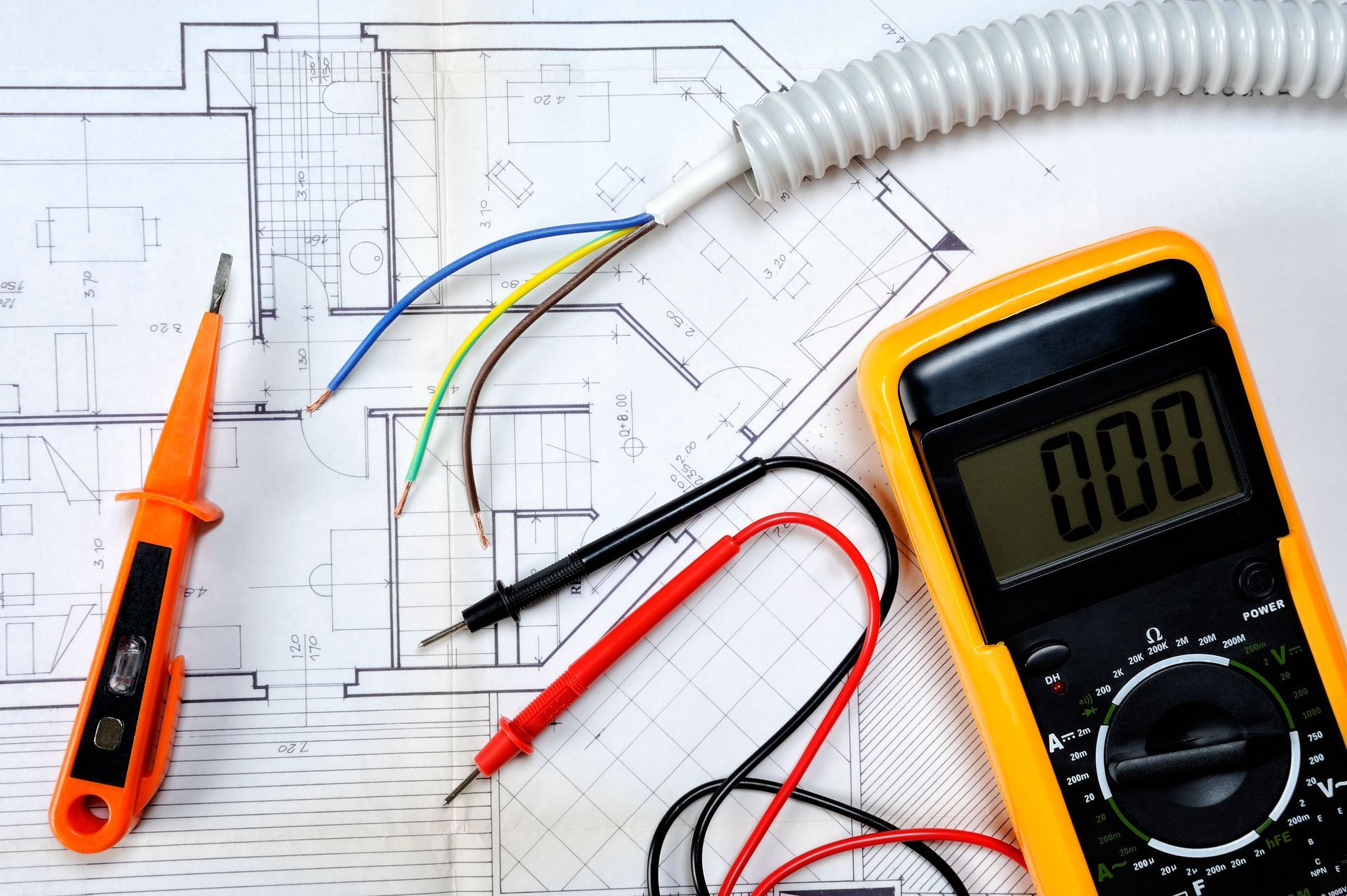
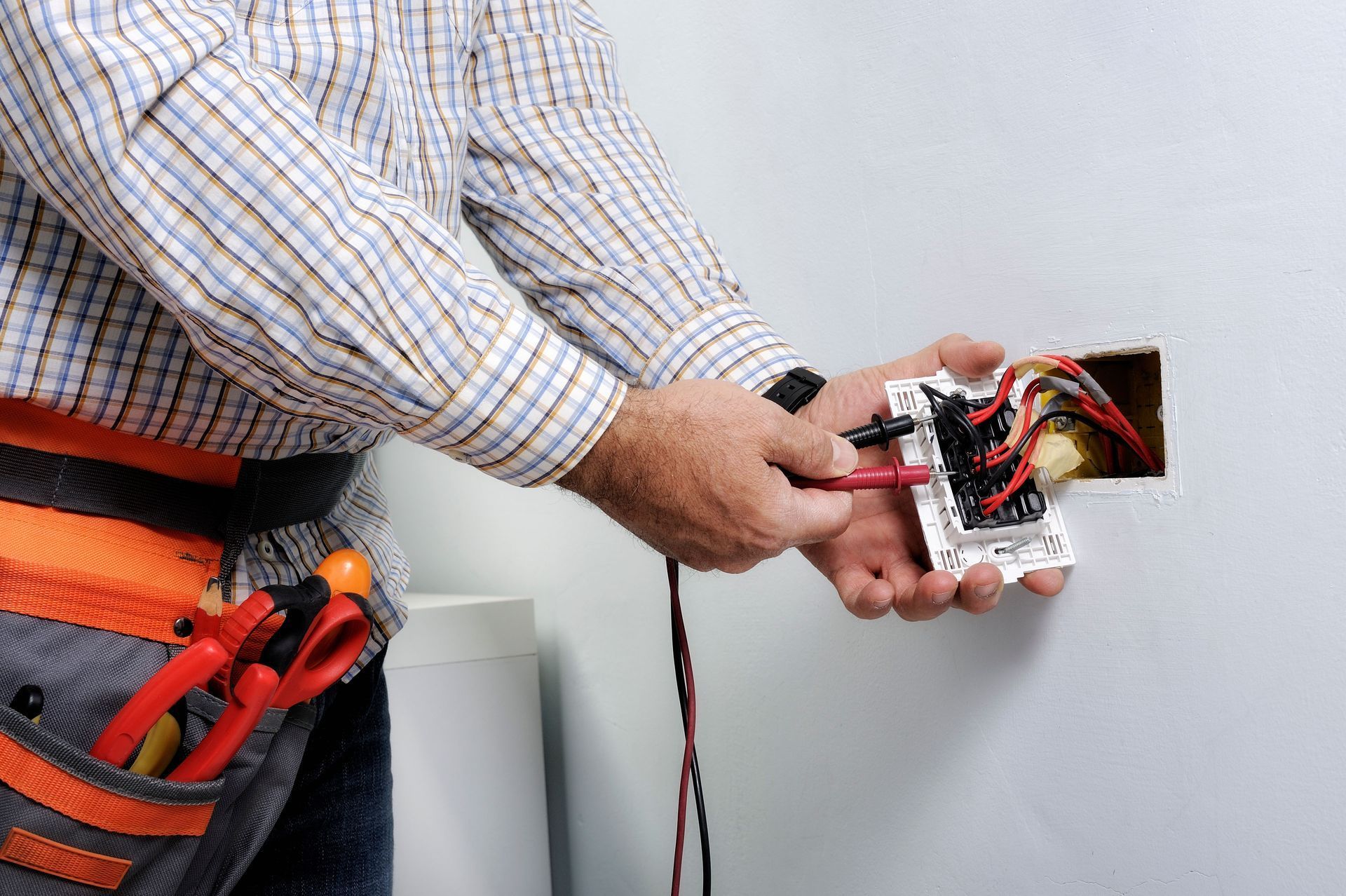
Wall outlets and light switches endure constant physical use, making them highly susceptible to loose terminal screws and internal wear. A skilled electrician tests every accessible receptacle for correct polarity, secure mounting, and proper grounding connections using advanced digital diagnostic meters. Technicians look closely for subtle discoloration, melted plastic housing, or warm faceplates that indicate dangerous internal arcing. Replacing worn wall receptacles with tamper-resistant units prevents accidental shock hazards, especially in households with young children. Ensuring that all wall switches operate smoothly without sparking eliminates hidden fire risks, maintaining safe, reliable power access for lamps, entertainment systems, and daily household appliances.
Testing Ground Fault and Arc Fault Protection Devices
Properly functioning safety interrupters are vital for shielding occupants from severe electrical shocks and preventing high-temperature arcing fires inside wall cavities. A qualified electrician tests Ground Fault Circuit Interrupter outlets near sinks, bathrooms, and outdoor areas to confirm they disconnect power instantly upon detecting current leaks. Technicians also evaluate Arc Fault Circuit Interrupters within main panels, which detect dangerous electrical arcing along hidden bedroom and living room wiring circuits. Verifying that these sensitive safety devices respond accurately to test signals ensures optimal defense against sudden shock hazards and electrical fires, maintaining a secure living environment across every moisture-prone zone.
Assessing Household Grounding and Bonding Networks
Establishing a continuous low-resistance path to the earth is essential for safely dissipating sudden voltage surges, lightning strikes, and internal short circuits. An experienced electrician inspects primary grounding electrodes, copper ground rods, and cold water pipe bonding connections to confirm structural integrity. Over time, physical corrosion, loose clamps, or landscape renovations can sever critical grounding paths without causing obvious power disruptions. Technicians measure ground resistance levels to verify that excess electrical currents route safely into the earth rather than through metal appliance frames or human touch points. Securing robust grounding networks protects expensive household electronics from catastrophic surge destruction during severe seasonal storms.
Evaluating Hidden Attic and Crawlspace Cable Routes
Porous building spaces like dark attics, basements, and cramped crawlspaces often conceal unsafe wiring modifications, physical insulation contact, or pest damage. A thorough electrician crawls through these secluded areas to inspect exposed cables, junction boxes, and structural support staples. Technicians look for dangerously exposed wire splices, missing junction box cover plates, and compromised cable insulation chewed by wild rodents. Confirming that non-metallic sheathed cables remain properly secured away from sharp metal framing and heating ducts prevents accidental short circuits. Resolving hidden structural wiring vulnerabilities eliminates dormant fire hazards, keeping invisible power distribution routes safe, secure, and fully compliant with modern residential building standards.
Reviewing Smoke and Carbon Monoxide Alarms
Interconnected life safety alarms provide vital early warnings during sudden fire emergencies or invisible gas leaks, protecting human life around the clock. An attentive electrician checks the age, placement, and power source connections of all ceiling-mounted smoke and carbon monoxide detectors. Technicians verify that hardwired alarm networks feature functioning battery backups capable of operating during complete neighborhood power blackouts. Testing interlinked communication lines confirms that triggering a single sensor activates every alarm simultaneously throughout the entire residence. Upgrading outdated or expired detection units ensures rapid evacuation alerts, providing essential life safety protection for every family member residing inside the home.
Checking Appliances for Dedicated Circuit Requirements
High-draw appliances like electric dryers, refrigerators, microwave ovens, and central air conditioners require dedicated electrical circuits to operate safely without overloading shared lines. A knowledgeable electrician verifies that heavy major appliances connect directly to individual breakers with appropriately sized copper conductors. Running large motor loads on shared general-purpose convenience circuits causes frequent breaker trips, voltage drops, and premature appliance compressor failures over time. Technicians confirm that heavy 240-volt receptacles feature proper NEMA configurations, correct wire insulation, and sturdy physical wall mountings. Isolating major appliance power paths ensures stable operational performance while preventing unexpected circuit overloads across primary living zones.
Identifying Outdated Knob and Tube or Aluminum Wiring
Older residential properties frequently contain obsolete wiring systems that cannot safely handle the high power demands of modern electronic devices and appliances. A trained electrician inspects hidden wall cavities and structural floor joists to identify active knob and tube wiring or ungrounded aluminum conductors. Knob and tube systems lack grounding wires and easily overheat when covered by modern thermal attic insulation. Similarly, aluminum wiring expands and contracts rapidly, loosening terminal screws and creating severe arcing hazards at switch connections. Identifying legacy wiring types allows homeowners to plan targeted rewiring projects, eliminating severe fire hazards and lowering annual home insurance premiums significantly.
Inspecting Exterior Weatherproof Outlets and Fixtures
Outdoor electrical components face constant exposure to driving rain, heavy snowfall, freezing temperatures, and intense solar ultraviolet radiation throughout the year. An observant electrician examines exterior light fixtures, garden outlets, and hot tub disconnect boxes for proper weather-sealed enclosures. Technicians inspect rubber gaskets, spring-loaded cover plates, and liquid-tight conduits to ensure rain cannot enter active electrical boxes. Verifying that all outdoor receptacles feature operational wet-location covers prevents dangerous short circuits, corrosion, and localized ground faults during severe rainstorms. Keeping exterior electrical installations completely sealed against environmental moisture protects outdoor entertainment areas, landscaping lights, and swimming pool machinery year-round.
Evaluating Whole-Home Surge Protection System Capacity
Power grid fluctuations, transformer failures, and close lightning strikes send massive voltage spikes through residential power lines, threatening delicate electronic devices. A forward-thinking electrician assesses whether your home features adequate primary surge protection installed directly at the main distribution panel. Whole-home surge arresters suppress incoming voltage spikes within nanoseconds, channeling destructive energy safely into ground rods before reaching interior living spaces. Technicians verify that surge protection units display active operational status indicators and feature sufficient joule ratings to absorb high-energy electrical events. Installing multi-layered surge defense shields expensive computers, smart televisions, and modern kitchen appliances from sudden, permanent electronic damage.
Prioritizing regular professional inspections safeguards your physical property, family members, and valuable digital electronics from hidden power hazards. Partnering with a licensed electrician ensures that main panels, wall outlets, grounding arrays, and life safety alarms receive rigorous technical evaluation. Identifying outdated aluminum wiring, loose connections, and compromised outdoor fixtures prevents catastrophic house fires, severe electrical shocks, and costly mechanical failures. Comprehensive inspections deliver clear diagnostic answers, allowing homeowners to complete essential system repairs and modernizing upgrades efficiently. Take control of your home’s infrastructure today by scheduling a professional safety check, establishing a secure, efficient, and completely reliable power foundation for the future.
Are you seeking professional electrical services for your home in the Hingham, MA area? Look no further than the electrical experts at FTJA Electric Company! Contact us today to schedule your next service appointment.